In everyday life, most people notice small changes in their skin but rarely give them much attention. A rough patch that keeps coming back or a small dark spot that appears suddenly is often ignored. However, these seemingly minor changes can sometimes be early skin cancer symptoms that should not be overlooked.
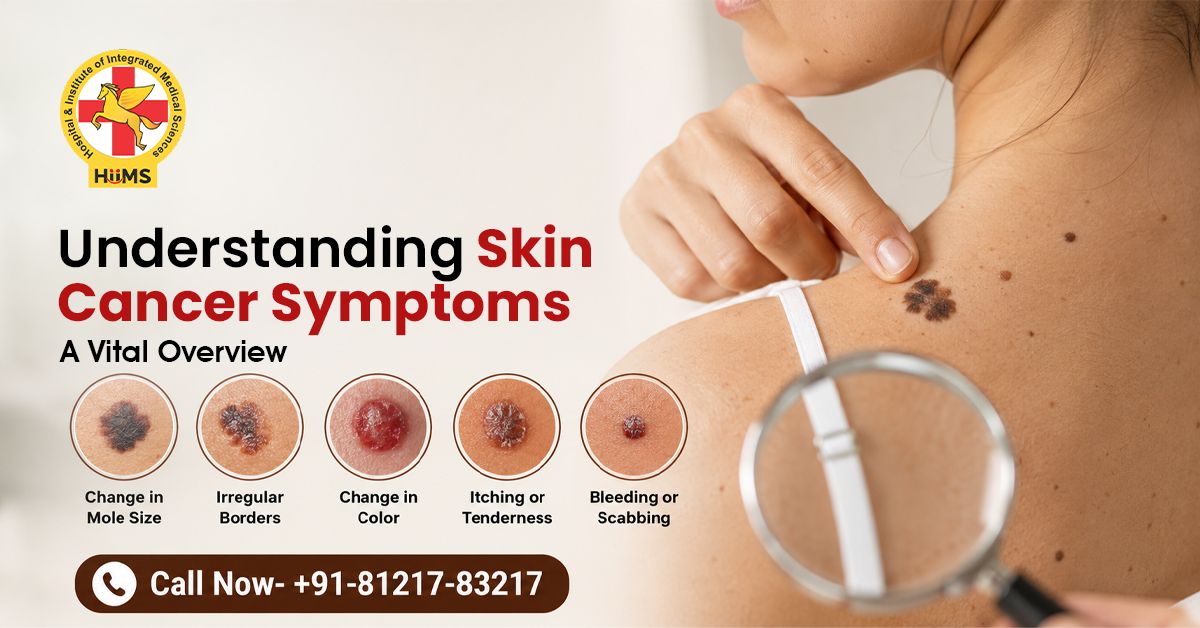
The skin is the largest organ of the body, and it often reflects internal changes before anything else. When abnormal cell growth begins, it usually shows visible signs on the surface. Recognising these signs early is essential because timely detection makes treatment more manageable and effective.
Understanding Skin Cancer and Its Causes
Skin cancer develops when skin cells start growing uncontrollably due to DNA damage. Normally, cells grow and die in a balanced cycle. But when this process is disrupted, damaged cells continue to multiply.
Several factors contribute to this condition. Excessive exposure to UV rays is one of the most common causes, as it gradually damages the DNA of skin cells. Environmental toxins, weakened immunity, and genetic predisposition also increase the risk. Understanding these causes can help individuals take preventive steps and remain more aware of their skin health.
Key Risk Factors to Consider
Long-term sun exposure without proper protection is a major contributor to skin damage.
A family history of skin conditions can increase susceptibility.
A weakened immune system reduces the body’s ability to repair damaged cells.
Exposure to pollutants and chemical-based products can weaken the skin’s natural defense.
Types of Skin Cancer
Skin cancer does not appear the same in every case. It develops in different types depending on the affected cells.
Basal Cell Carcinoma (BCC) is the most common type and often appears as a shiny bump or a light pink patch on sun-exposed areas like the face or neck. It rarely spreads but can cause damage if ignored.
Squamous Cell Carcinoma (SCC) usually shows up as a firm red bump or a rough, scaly patch. It carries a higher risk of spreading, especially in individuals with weak immunity.
Melanoma is the most serious form. It develops in pigment-producing cells and often appears as a new irregular mole or changes in an existing one. Early detection is critical as it can spread rapidly.
Skin Cancer Symptoms You Should Not Ignore
One of the most important aspects of skin cancer symptoms is that they are visible. Paying attention to changes in your skin can help in early identification.
A growth or patch that does not heal within a few weeks is a sign that should be evaluated.
Changes in an existing mole, including size, shape, or color, are strong warning signals.
A wound that heals and then reopens repeatedly may indicate an early stage of skin cancer.
Rough or crusty patches that do not respond to moisturizers may be linked to precancerous conditions.
Unexplained bleeding from any spot on the skin should not be ignored.
The ABCDE Rule for Self-Examination
A simple way to check moles at home is by following the ABCDE rule:
Asymmetry – One half looks different from the other.
Border – Edges are uneven or blurred.
Color – Multiple shades within a single mole.
Diameter – Larger than six millimeters.
Evolving – Any change over time.
Among these, any evolving change is the most critical sign.
The Importance of the Right Care Approach
When skin changes persist, it is important to seek proper medical attention. Choosing the right healthcare provider ensures that both visible symptoms and underlying causes are addressed.
An integrative approach focuses not only on the skin surface but also on improving immunity, supporting detoxification, and promoting overall cellular health. This helps in achieving long-term results rather than temporary relief.
Conclusion
Skin cancer symptoms often appear as visible signals that should never be ignored. A changing mole, a recurring patch, or a non-healing wound may seem minor but can indicate something more serious. Early detection plays a crucial role in effective treatment and better outcomes.
Being aware, observing your skin regularly, and taking timely action can make a significant difference in maintaining healthy skin and overall well-being.