
Kidneys play an essential role in maintaining the body's internal balance. They filter waste products from the blood, regulate fluid levels, and help remove unwanted substances through urine. When kidney function becomes affected, waste and excess fluids may accumulate, leading to concerns such as swelling, fatigue, and changes in overall well-being.
Because of this, many people are interested in supportive approaches that focus on circulation, fluid balance, lifestyle, and overall kidney care. Two therapies discussed in natural kidney care are head-down tilt and hot water immersion.
What Is HDT Therapy?
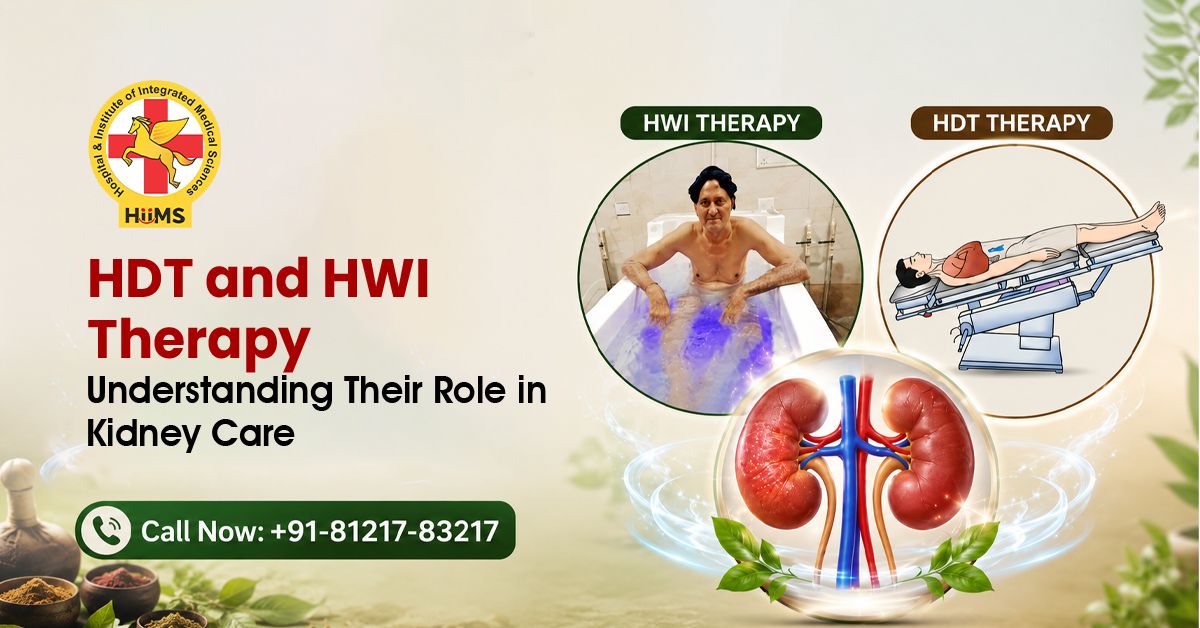
Head-Down Tilt (HDT) is a technique in which a person lies on a specially designed bed positioned at a gentle angle, with the head lower than the feet. The change in body position allows gravity to influence blood distribution toward the upper part of the body.
According to the approach described for HDT, this shift may increase blood flow toward the heart and kidney area. It is used as part of a broader approach to supporting circulation and renal function.
HDT is not simply about changing posture. It is incorporated into a structured therapy program where the positioning, duration, and overall approach can be adjusted according to individual needs.
Understanding Hot Water Immersion Therapy
Hot Water Immersion (HWI) involves sitting or resting in warm water, generally up to chest level. The warmth of the water can promote relaxation and widen blood vessels, while the pressure created by the water around the body can influence circulation and fluid movement.
HWI is also associated with sweating, which is one of the body's natural ways of releasing certain substances through the skin.
When used together, HDT and HWI are included in natural kidney care approaches that focus on circulation, fluid movement, relaxation, and supporting the body's natural elimination processes.
How HDT and HWI Are Used in Kidney Care
Kidney care involves more than focusing on one symptom. Healthy kidney function is connected with circulation, fluid balance, blood pressure, diet, stress management, and overall lifestyle.
HDT and HWI are used as supportive therapies within this broader perspective.
Supporting Circulation
HDT changes the body's position and may encourage blood to move toward the upper body. HWI uses warm water and hydrostatic pressure to support circulation. Together, these approaches focus on maintaining healthy blood movement.
Supporting Fluid Balance
Fluid retention can become a concern when the kidneys have difficulty managing excess fluid. The pressure created by water immersion may help move fluid from the lower parts of the body.
Promoting Natural Elimination
HWI may encourage sweating, while HDT is designed to influence blood distribution. These approaches are used to complement other kidney care practices rather than functioning as a replacement for essential medical evaluation.
Encouraging Relaxation
Warm-water therapy can provide a relaxing experience, while controlled positioning during HDT may be incorporated into a structured wellness routine. Stress management is also an important part of maintaining overall well-being.
Benefits Associated with HDT and HWI
HDT and HWI may be included in a comprehensive kidney care program for several reasons. These therapies focus on circulation, fluid movement, relaxation, and natural elimination.
Potential areas of support include:
- Supporting healthy blood circulation
- Promoting relaxation and reducing physical stress
- Supporting fluid movement
- Encouraging sweating during warm-water immersion
- Supporting overall kidney-focused wellness
- Complementing a healthy diet and lifestyle plan
The appropriate use of these therapies depends on an individual's health condition and should be guided by trained professionals.
A Holistic Approach to Kidney Care
A comprehensive approach to kidney care may combine supportive therapies with healthy lifestyle practices. At Jeena Sikho HiiMS Derabassi, HDT and HWI are described as components of the GRAD system, alongside a pH-balanced diet plan.
The broader approach may include several elements:
Panchakarma
Panchakarma is described as a five-step detoxification therapy used within the Ayurvedic approach to support the body's natural processes.
pH-Balanced Diet
The dietary approach focuses on foods such as fresh fruits, vegetables, and coconut water as part of a balanced nutrition plan.
Herbal Support
Traditional herbs such as Punarnava, Gokhru, and Varun are included in the described herbal-support approach.
Yoga and Pranayama
Gentle yoga and breathing practices can be incorporated to encourage relaxation and support mind-body balance.
By bringing these elements together, holistic kidney care focuses on overall well-being rather than concentrating on a single aspect of kidney health.
Why Individual Guidance Matters
Kidney-related concerns can vary considerably from person to person. Factors such as blood pressure, fluid balance, existing health conditions, and overall kidney function should be considered before beginning therapies such as HWI or HDT.
Hot water immersion may not be appropriate for everyone. People with severe heart conditions, uncontrolled high blood pressure, or open skin wounds may require direct professional supervision.
For this reason, therapies should be approached as part of an individualized kidney care plan rather than used without guidance.
Conclusion
HDT and HWI are supportive therapies that focus on circulation, fluid movement, relaxation, and natural elimination as part of a holistic kidney care approach. HDT uses controlled body positioning, while HWI combines warm water with hydrostatic pressure.
When incorporated alongside appropriate dietary practices, Panchakarma, herbal support, yoga, and breathing exercises, these therapies can form part of a broader approach to kidney-focused wellness.
Understanding how these therapies work can help people make informed decisions about supportive kidney care. For those exploring HDT and HWI, professional guidance is important to determine whether these approaches are suitable for their individual needs.