
Kidney stones are becoming increasingly common, yet many people still misunderstand how they actually develop. Often, they are not the result of a single cause but a combination of daily habits that gradually disturb the body’s natural balance.
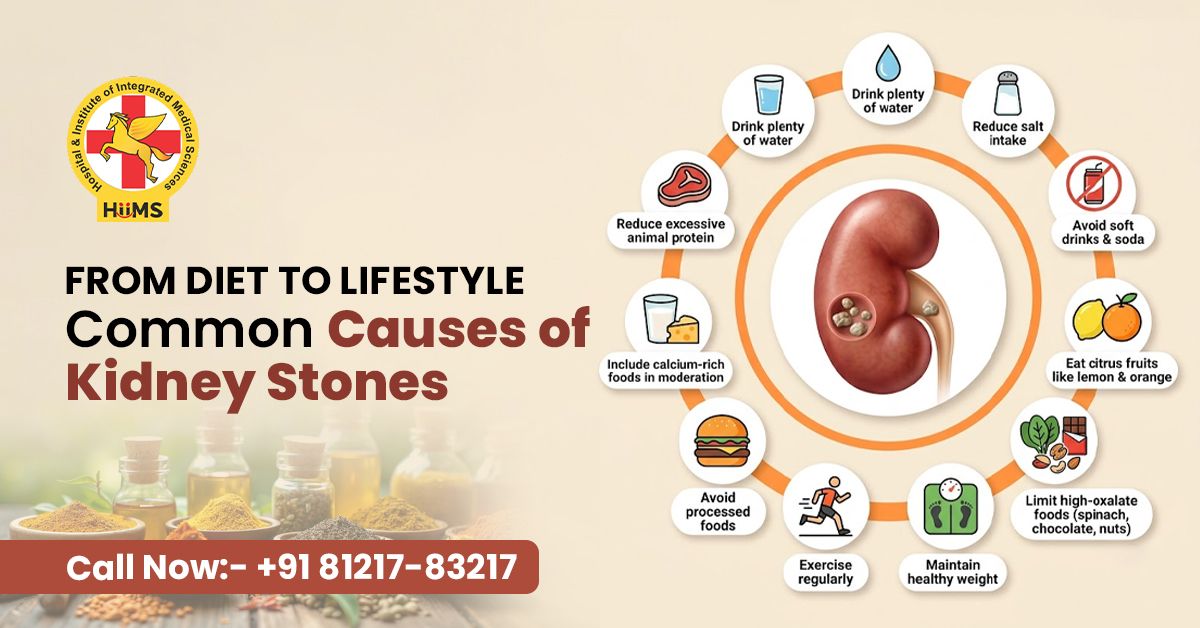
Our kidneys work continuously to filter waste and excess fluids from the body. However, when certain minerals and salts begin to accumulate instead of being flushed out, they can form crystals. Over time, these crystals may grow into kidney stones.
What makes this condition concerning is that it usually develops slowly. Early warning signs like lower back pain, a burning sensation during urination, or a frequent urge to urinate are often ignored. Many people assume these symptoms are temporary, but they can be signals that the body is struggling to maintain balance.
Common Causes of Kidney Stones
1. Low Water Intake
One of the most common reasons behind kidney stones is not drinking enough water. When the body is dehydrated, urine becomes concentrated, making it easier for minerals to combine and form stones.
2. Unhealthy Food Choices:
Diet plays a significant role. Excess intake of salty, processed, and refined foods can disrupt the body’s internal balance. Foods high in oxalates, such as spinach and certain nuts, may also contribute if not balanced with adequate hydration. Similarly, consuming too much protein without balance can affect kidney function.
3. Irregular Routine
An inconsistent lifestyle, including irregular sleep and meal timings, can affect digestion and overall metabolism. This imbalance may indirectly impact how the body processes and eliminates waste.
4. Holding Urine Frequently:
Delaying urination due to busy schedules is a common yet harmful habit. When urine stays in the bladder for too long, it increases the chances of crystal formation.
5. Lack of Physical Activity
A sedentary lifestyle can slow down metabolic processes, affecting how the body handles minerals and waste. Regular movement helps maintain proper circulation and balance.
6. Stress and Lifestyle Imbalance
Stress may not directly cause kidney stones, but it influences daily habits such as eating, sleeping, and hydration. Over time, this imbalance can contribute to stone formation.
7. Family History
In some cases, kidney stones may be linked to genetic factors or body type. For such individuals, maintaining a healthy lifestyle becomes even more important.
A Holistic View on Kidney Health
When people look for kidney stone treatment, they often focus only on immediate relief. However, understanding the root causes is equally important. A lifestyle-based approach can help support long-term kidney health.
Simple habits such as drinking enough water, eating fresh home-cooked meals, reducing salt intake, maintaining a routine, and staying physically active can make a significant difference.
A Lifestyle-Focused Approach
At Jeena Sikho HiiMS, the approach focuses on understanding individual lifestyle patterns rather than applying a one-size-fits-all solution. By analyzing daily habits, diet, and routine, personalized guidance is provided to help restore balance in the body.
This approach combines natural principles, mindful eating, and routine correction to support overall wellness and kidney health.
Conclusion
Kidney stones are rarely a sudden occurrence. They are often the result of small, repeated habits over time—like dehydration, poor diet, stress, and inactivity. Recognizing these factors early and making simple changes can help prevent complications and support long-term health.
If you are experiencing symptoms or want to take preventive steps, it is important to understand your body and make mindful lifestyle choices.
👉 For expert guidance, call +918121783217 or book a video consultation to get personalized advice for your kidney health.