Cholesterol imbalance has become a common concern in today’s fast-paced lifestyle. While many people begin treatment after seeing their reports, they often overlook the everyday habits that directly influence their recovery. As a result, even after taking medicines or making short-term changes, the results may not remain stable.
In reality, cholesterol management is not just about medication—it is closely linked to daily routine, eating patterns, physical activity, and stress levels. A more balanced and consistent approach often supports better long-term outcomes.
This article highlights some of the most common mistakes people make during cholesterol treatment and how simple lifestyle adjustments can make a meaningful difference.
Understanding Cholesterol Beyond Reports
Cholesterol is not only about fat levels in the blood. It also reflects how well the body digests food, utilizes nutrients, and eliminates waste. When daily routines become irregular—such as late-night eating, poor sleep, or lack of activity—the body’s internal balance can gradually weaken.
Instead of focusing only on numbers, it is important to understand the overall functioning of the body. Supporting digestion, maintaining a routine, and improving lifestyle habits can help create a stronger foundation for recovery.
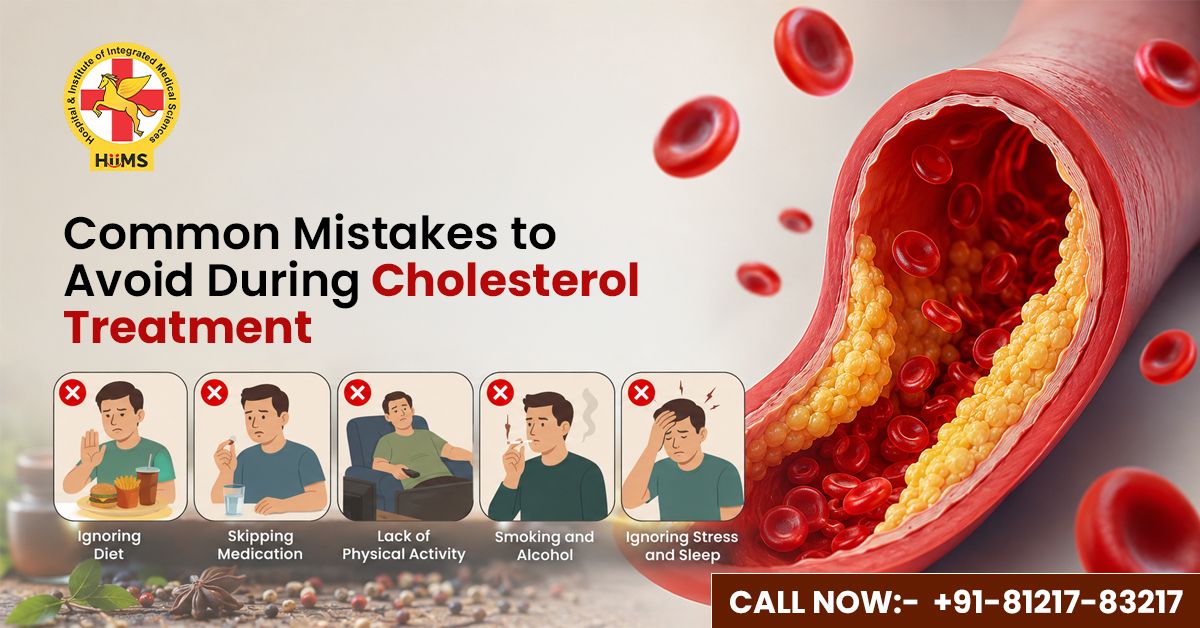
Common Mistakes to Avoid During Cholesterol Treatment
1. Depending Only on Medicines
Many individuals rely entirely on medication while continuing unhealthy habits like consuming oily food, skipping meals, or leading a sedentary lifestyle. This creates an imbalance between treatment and daily living. Medicines may help manage cholesterol levels, but long-term improvement requires consistent lifestyle support.
2. Completely Eliminating Fats
A common misconception is that all fats are harmful. People often remove healthy fats like nuts, seeds, and traditional cooking fats from their diet. However, the real issue lies in processed foods, deep-fried items, and unhealthy oils. A balanced diet with natural and moderate fat intake is more beneficial than extreme restrictions.
3. Ignoring Meal Timing
Irregular eating patterns, skipping breakfast, and heavy late-night dinners can slow down digestion. When the body does not follow a consistent routine, it struggles to process food efficiently. Eating meals on time and keeping dinner light can improve overall balance.
4. Following Unsustainable Diet Trends
Crash diets and extreme eating patterns may show quick results, but they are difficult to maintain. Many people eventually return to old habits, which disrupts progress. Sustainable changes like home-cooked meals, seasonal foods, and mindful eating are more effective for long-term cholesterol management.
5. Lack of Physical Activity
A sedentary lifestyle reduces circulation and slows down metabolism. Even simple physical activities like walking, stretching, or light exercise can significantly support cholesterol balance. Consistency matters more than intensity.
6. Overlooking Stress and Sleep
Stress and poor sleep can negatively affect digestion, appetite, and overall health. Late-night screen use and irregular sleep patterns further disturb the body’s natural rhythm. Maintaining a calm routine, practicing relaxation techniques, and ensuring proper sleep can support better outcomes.
7. Expecting Quick Results
Cholesterol management is a gradual process. Many people lose patience when they do not see immediate changes and stop following healthy habits. Long-term consistency is key to achieving stable and lasting results.
A Practical Approach to Better Cholesterol Management
Instead of focusing on quick fixes, a steady and balanced routine is more effective. Simple steps such as eating fresh home-cooked meals, maintaining regular sleep, staying physically active, and managing stress can support natural recovery.
Cholesterol treatment works best when it becomes a part of daily life rather than a temporary effort.
Conclusion
Managing cholesterol is not only about reducing numbers—it is about improving overall well-being. Small daily mistakes can slow progress, but consistent and mindful habits can create lasting improvements.
By avoiding common mistakes and adopting a balanced lifestyle, individuals can support their health in a more natural and sustainable way.
For those looking for personalized guidance, consulting with experienced healthcare professionals can provide clarity and direction. Online video consultations are also available, making it easier to seek expert advice from the comfort of home